1VIMPorto, Portugal
Why azulejo tiles come from Porto
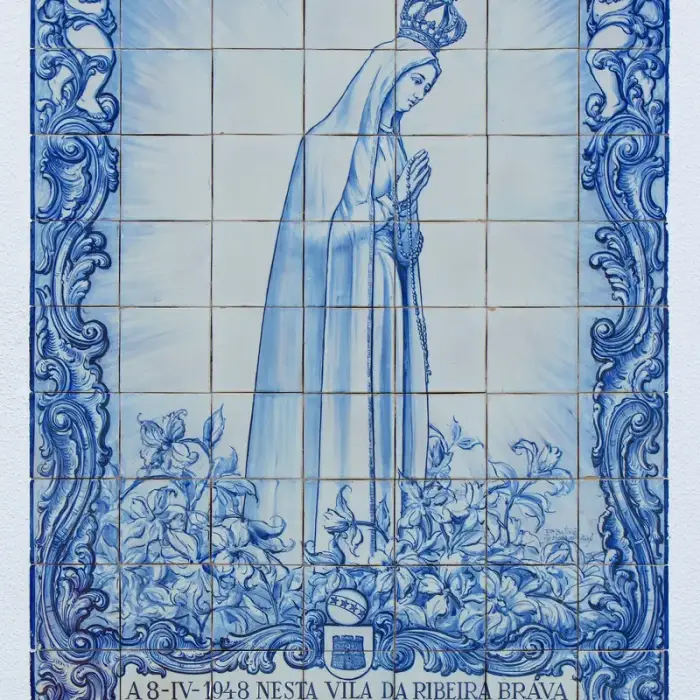
The blue tiles on Porto's facades have been painted the same way since the 1700s. Here is what makes a real azulejo, and how to buy one from the people who still make them.
[20]Stories
Shops share what they make, where they make it and how. 1VIM writes about the crafts behind them.
1VIMPorto, Portugal
The blue tiles on Porto's facades have been painted the same way since the 1700s. Here is what makes a real azulejo, and how to buy one from the people who still make them.
1VIMKyoto, Japan
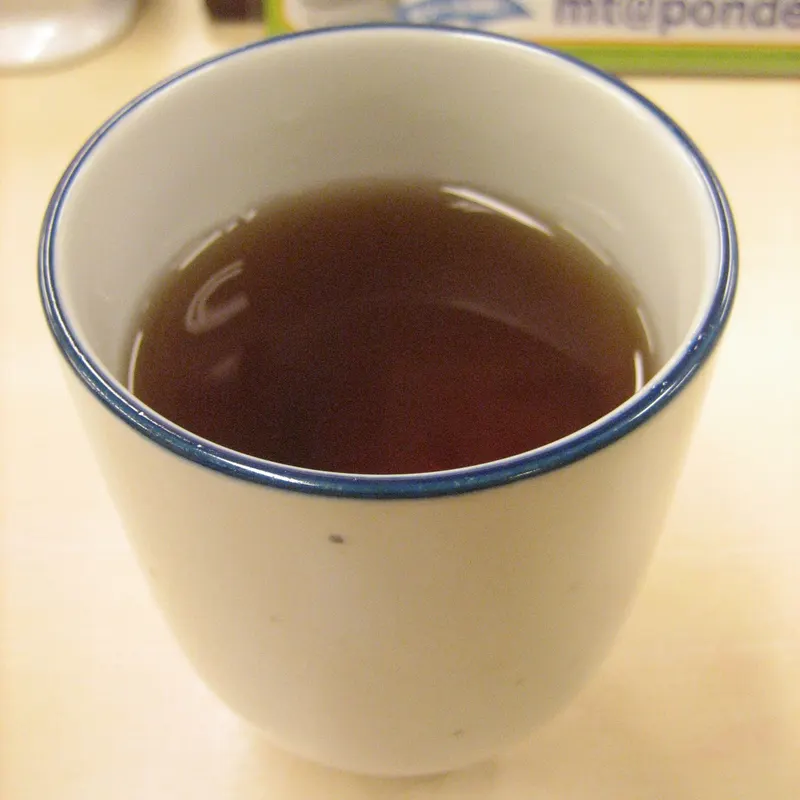
Twelve centuries as the imperial capital left Kyoto with the densest concentration of living craft in Japan. Kiyomizu-yaki ceramics are the proof you can hold.
1VIMOaxaca, Mexico
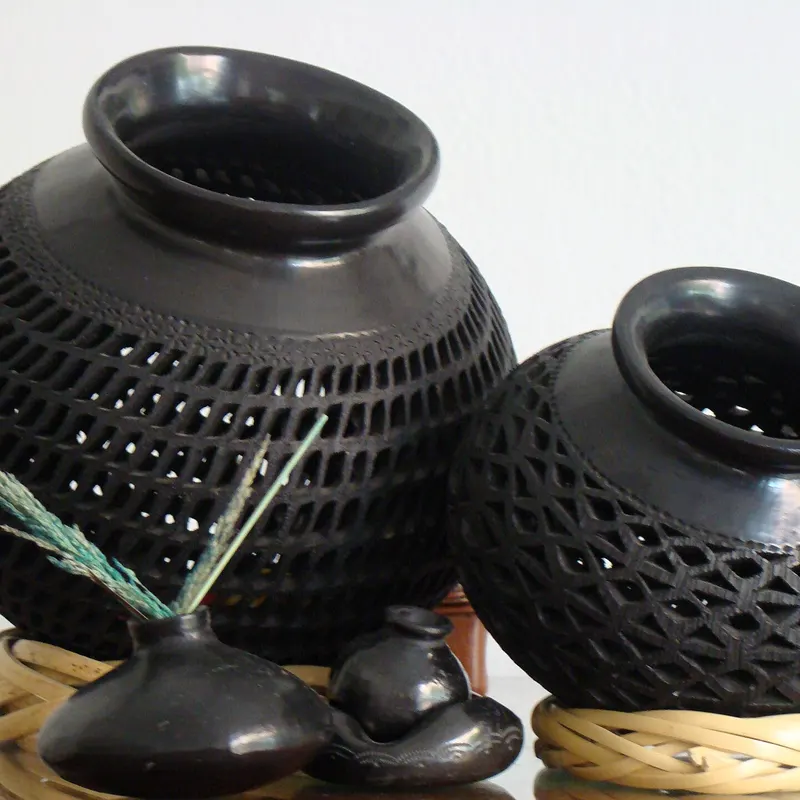
The black pottery of San Bartolo Coyotepec gets its shine from burnishing with a quartz stone, not from glaze. Here is how it is made and how to bring a piece home.
1VIMKashmir, India
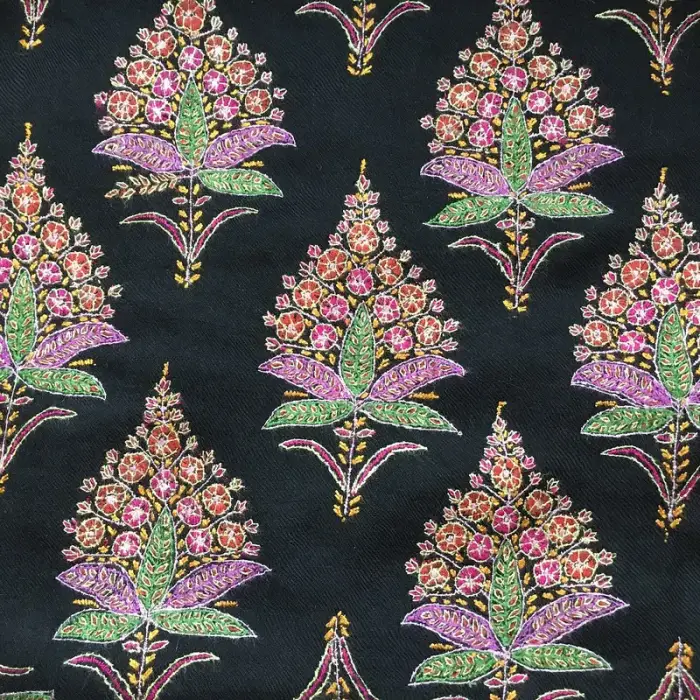
Most of what is sold as pashmina is not. Real pashmina is the winter undercoat of the Changthangi goat, hand spun and hand woven in Kashmir. Here is how to tell.
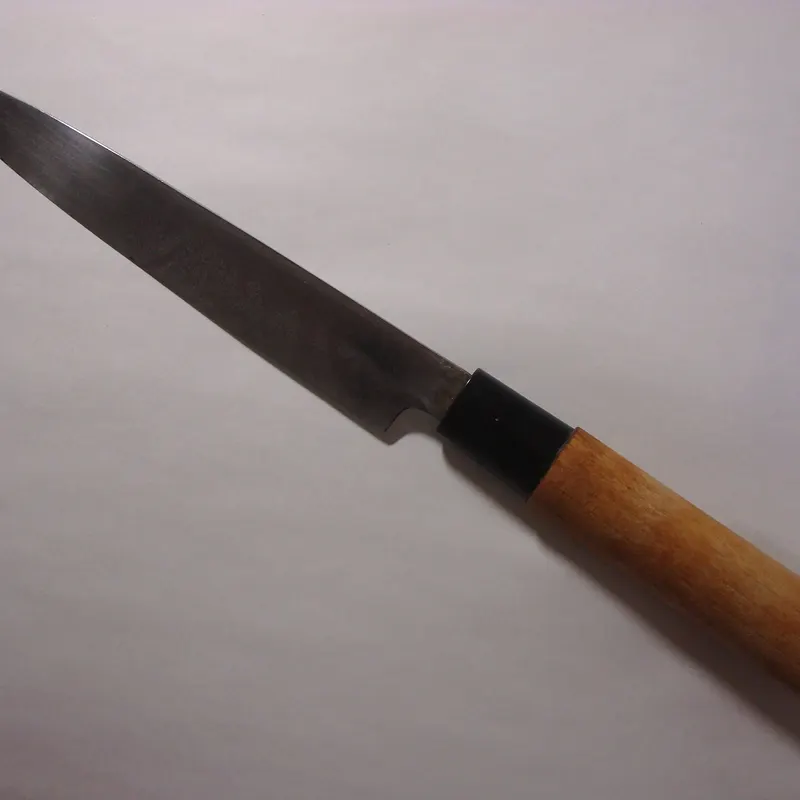
1VIMSakai, Japan
Ninety percent of Japan's professional chef knives come from one city. Sakai's forges have been drawing out steel since the samurai stopped needing swords.
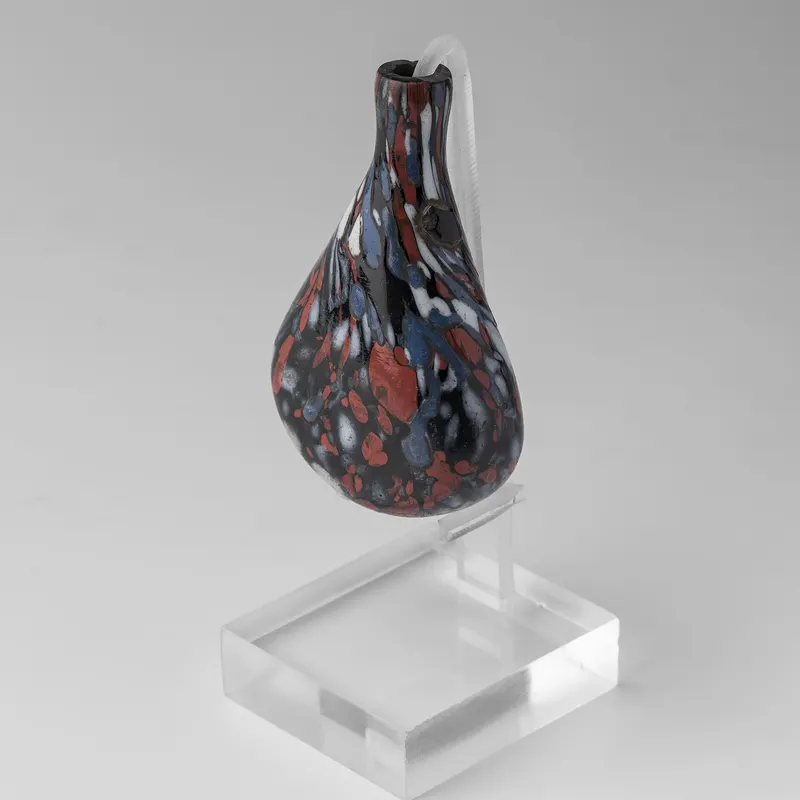
1VIMMurano, Italy
Venice exiled its glassmakers to one island in 1291 and forbade them to leave. Seven centuries later the furnaces are still lit, and most glass sold as Murano never saw them.
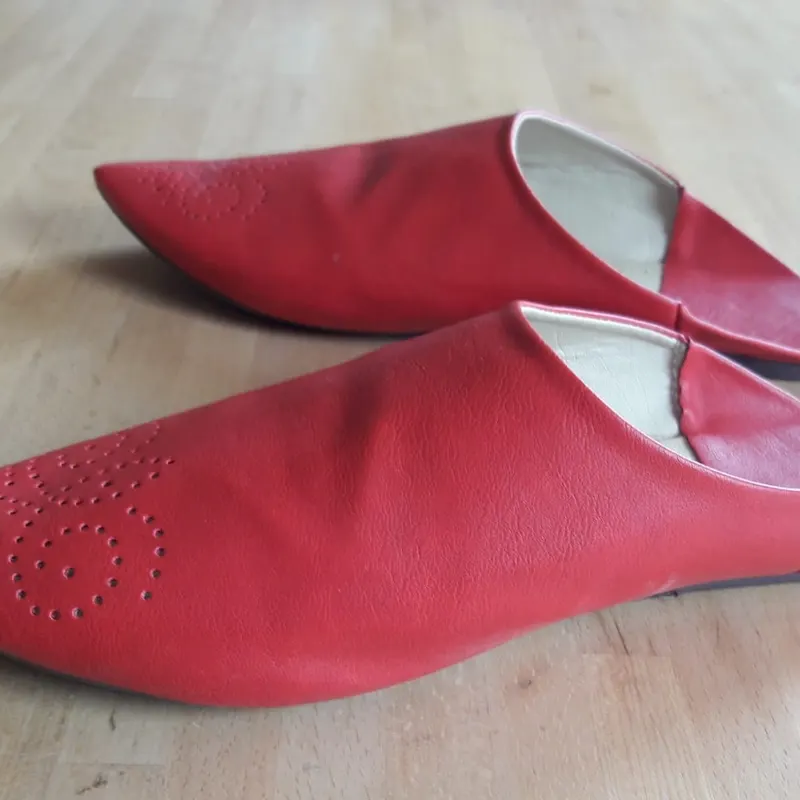
1VIMMarrakech, Morocco
The tanneries at Bab Debbagh have cured hides in stone vats for nine hundred years. Babouche slippers and poufs made from that leather age the way modern leather cannot.
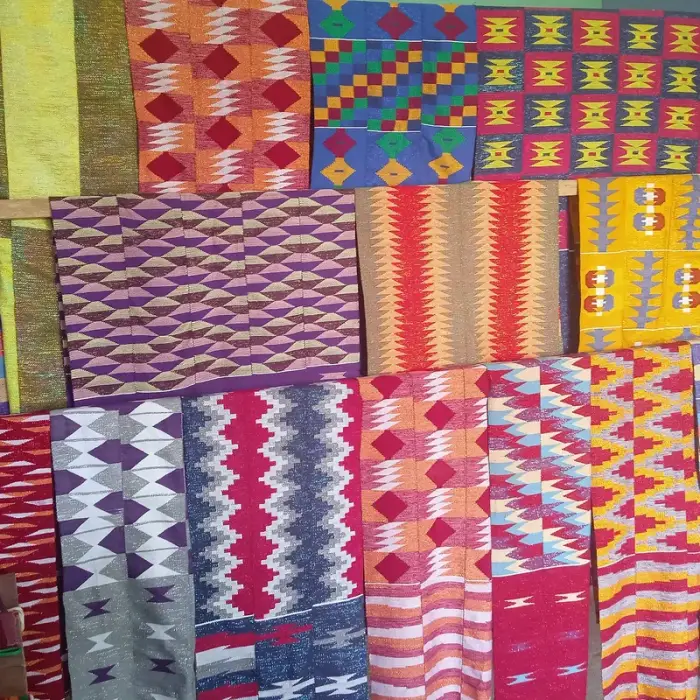
1VIMAccra, Ghana
Every kente pattern has a name and a meaning, woven four inches at a time in Bonwire. The cloth on a graduation stole has a four hundred year old grammar behind it.
1VIMReykjavik, Iceland
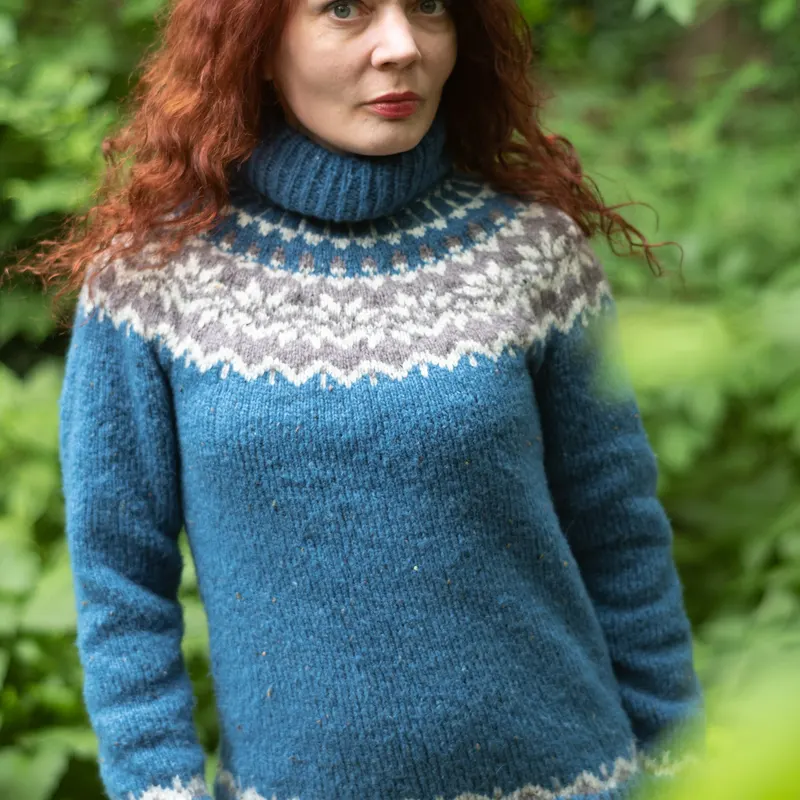
Icelandic sheep have not been crossbred in a thousand years, and their wool makes a sweater that works in weather that stops everything else. Here is why a real lopapeysa is knit, not sewn.
1VIMJaipur, India
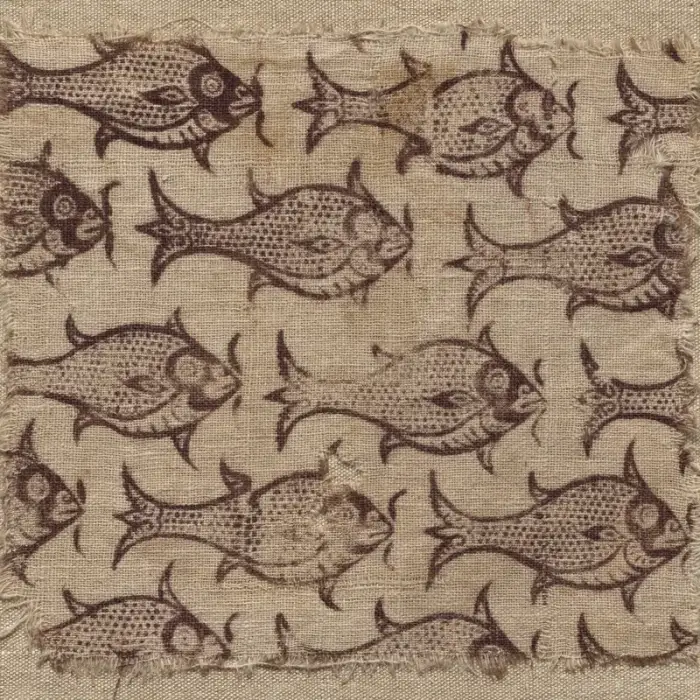
A Sanganer bedsheet passes under a carved wooden block hundreds of times, each strike lined up by eye. Here is how to tell hand block print from a screen printed copy.
1VIMBukhara, Uzbekistan
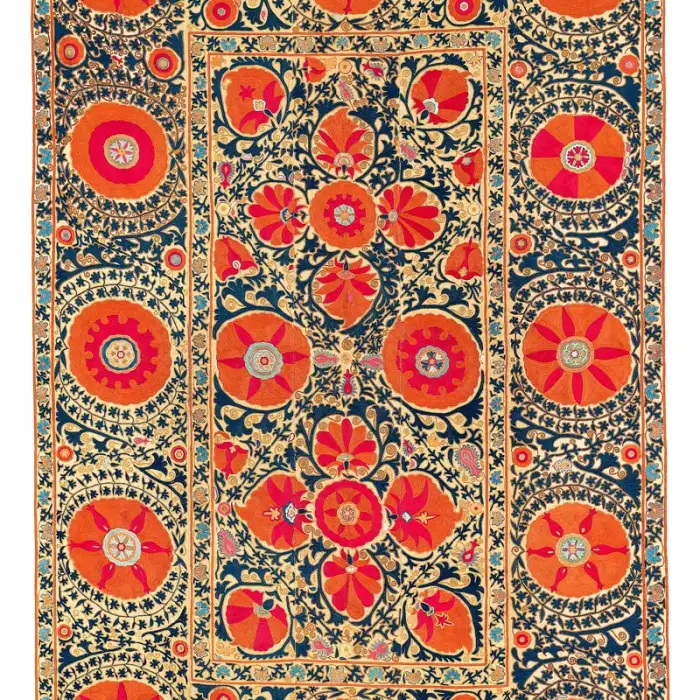
In Bukhara a suzani was begun at a daughter's birth and finished for her wedding, panel by panel, by many hands. The stitches still carry sun discs and pomegranates.
1VIMChiang Mai, Thailand
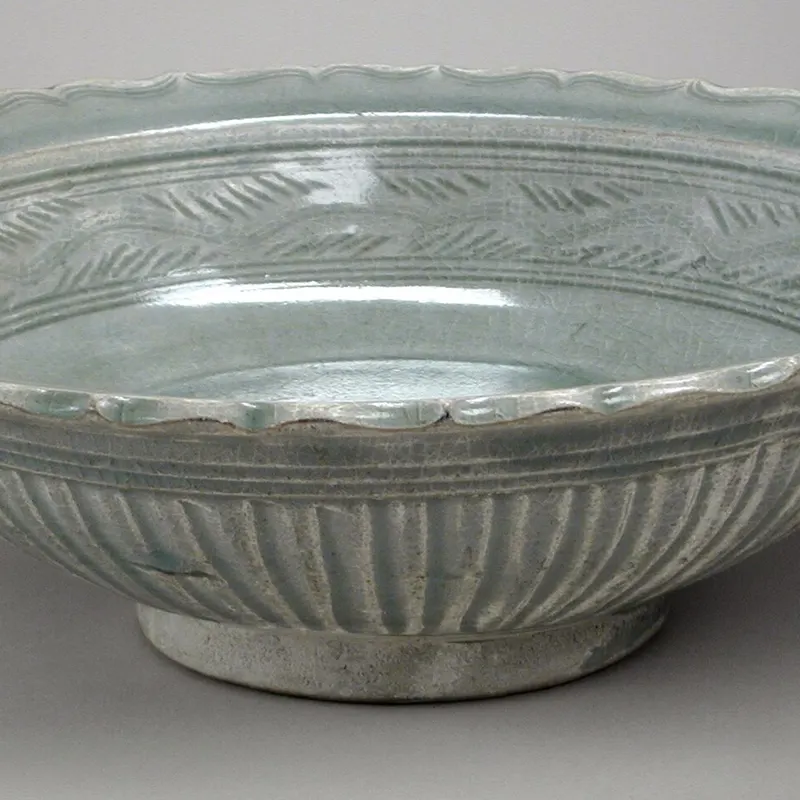
The crackled green of Thai celadon comes from wood ash and iron, fired blind at over 1,200 degrees. The Lanna kilns around Chiang Mai never stopped making it.
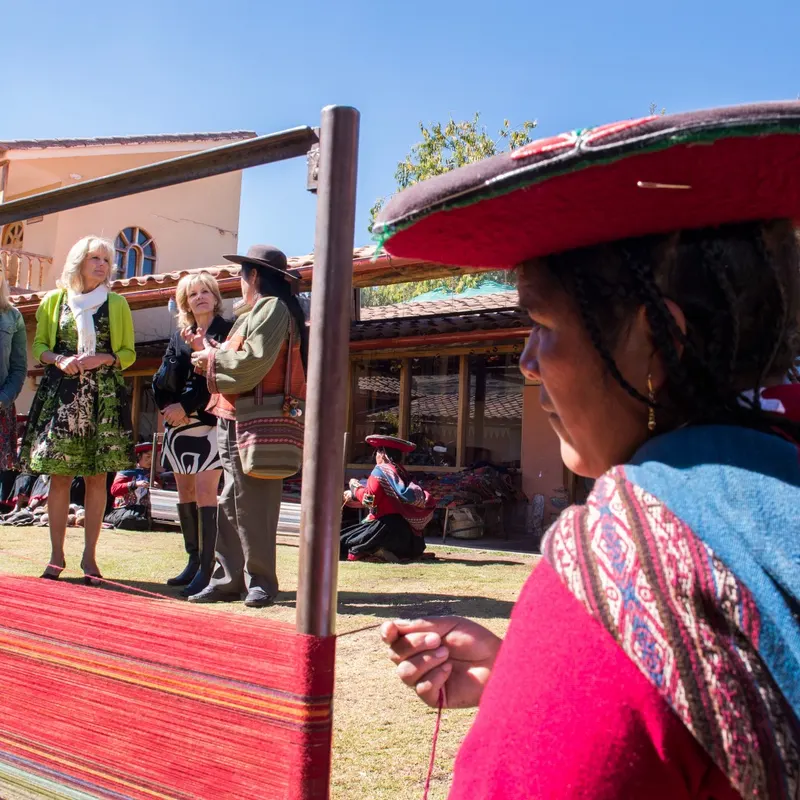
1VIMCusco, Peru
In the villages above Cusco, weavers on backstrap looms turn alpaca fibre and cochineal red into cloth whose patterns are older than the empire that made the city famous.
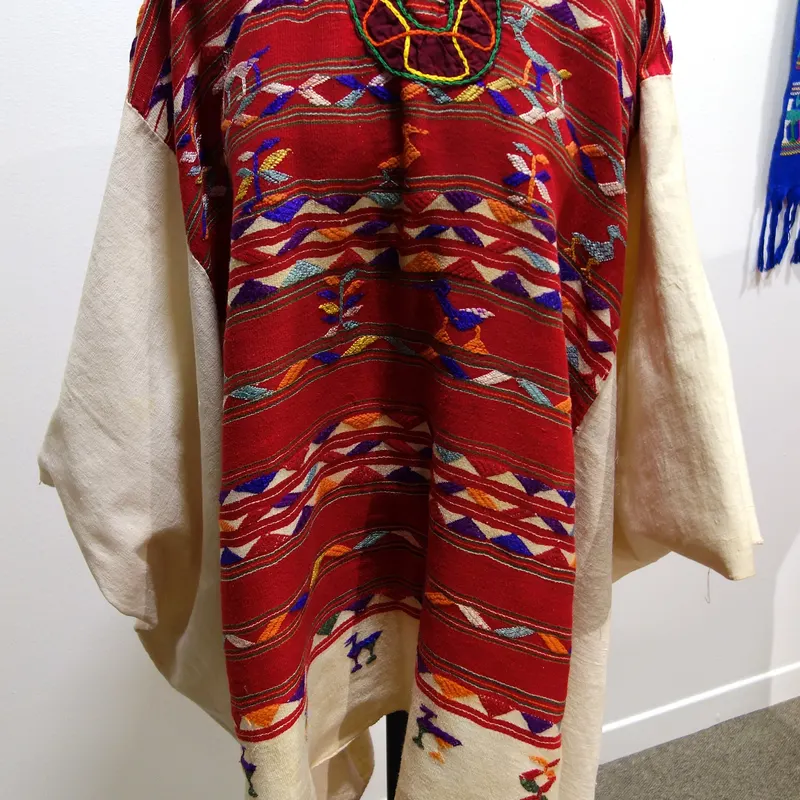
1VIMAntigua, Guatemala
A Maya weaver's huipil tells you where she is from before she says a word. The patterns are village signatures, woven on the same backstrap looms as a thousand years ago.
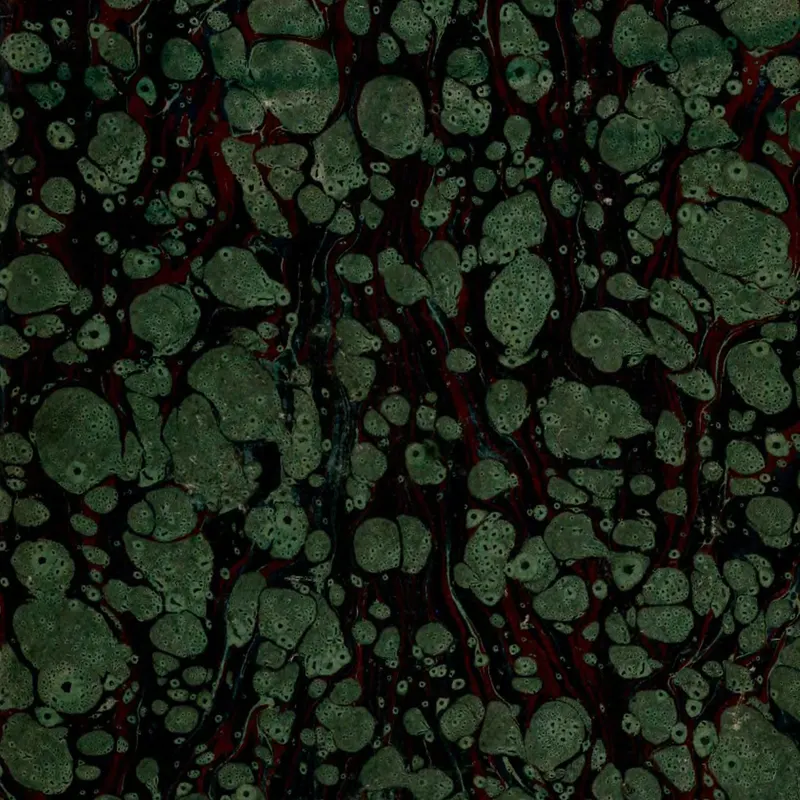
1VIMFlorence, Italy
Across the river from the Uffizi, workshops still vegetable-tan leather and marble paper by floating pigment on water, the way they did for the Medici.
1VIMOaxaca, Mexico
A fever dream in 1936 gave Mexico its spirit creatures. In the villages around Oaxaca they are carved from copal wood and painted point by point, one hair-thin brush at a time.
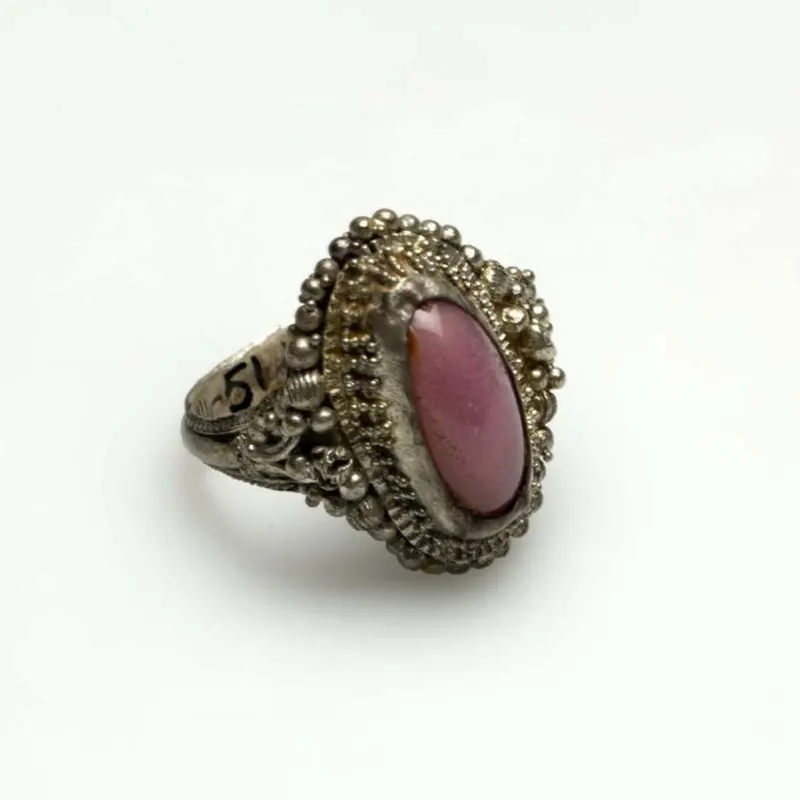
1VIMBali, Indonesia
In Celuk, near Ubud, silversmiths cover a ring in hundreds of tiny silver spheres and fuse them on without solder. The technique is called jawan, and it is why Balinese silver looks like nothing else.
1VIMPorto, Portugal
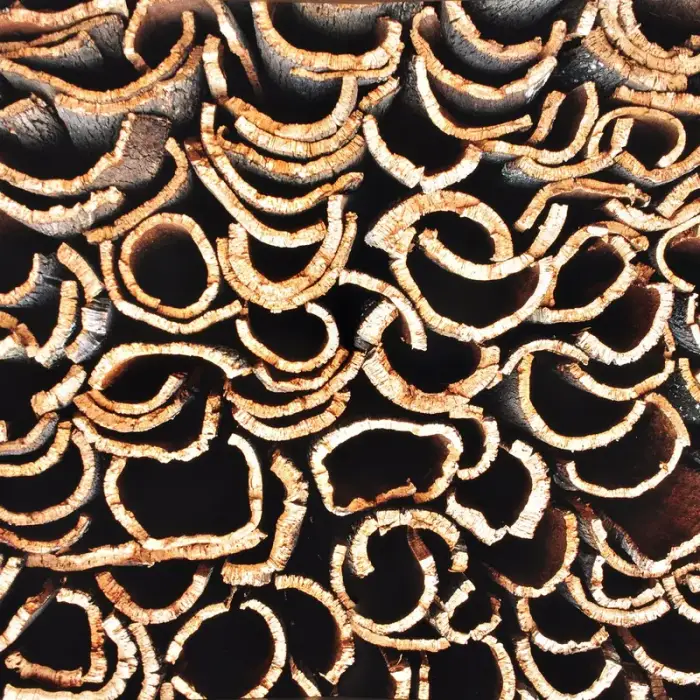
The cork oak is never cut down. Its bark is stripped by hand every nine years and grows back, which is why a cork bag from Porto is one of the most honest materials you can buy.
1VIMBukhara, Uzbekistan
Uzbek dyers call ikat abrbandi, cloud binding: the pattern is tied and dyed into the silk before a single thread is woven. That is why the edges blur like weather.
1VIMAccra, Ghana
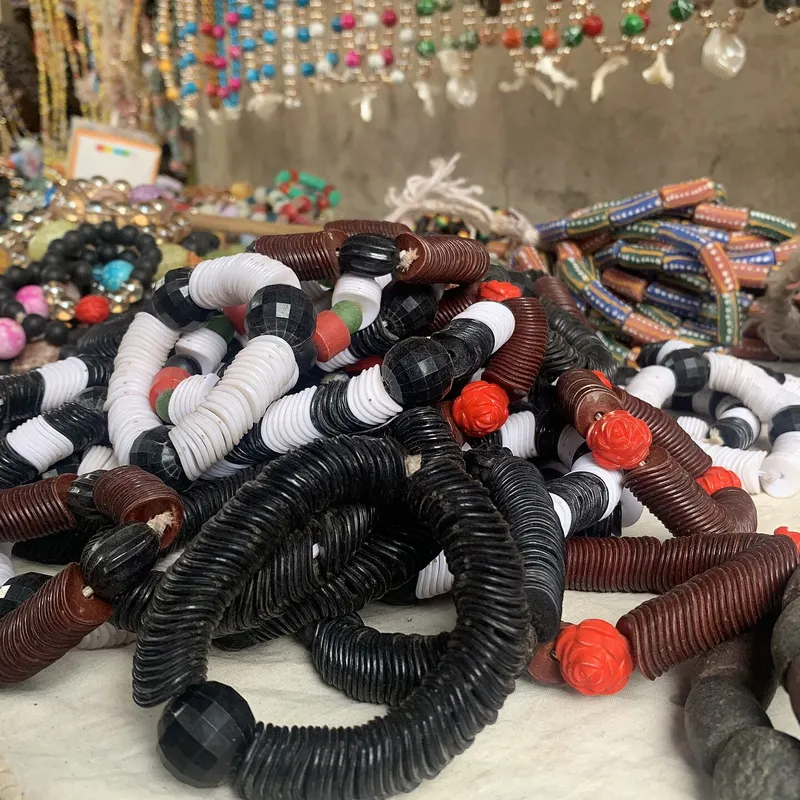
In the Krobo hills east of Accra, broken bottles are ground to powder, layered into clay moulds and fired into beads that have carried meaning at births, weddings and funerals for generations.
Post what you make, where and how. Your stories reach this feed, your shop's page and search engines.