[IT]Florence, Italy
Florence leather, bound in the Oltrarno
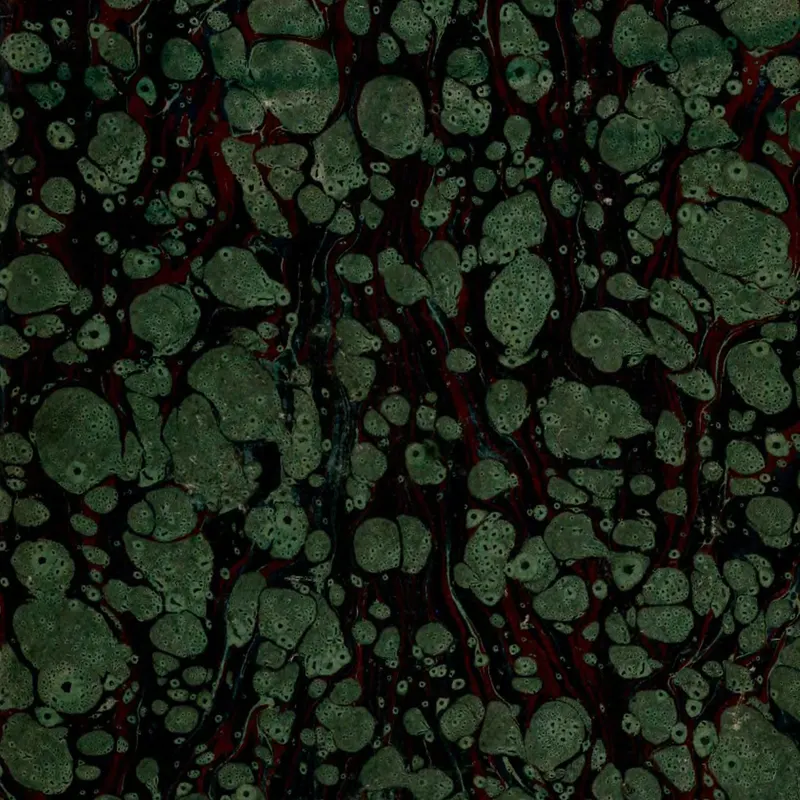
Across the river from the Uffizi, workshops still vegetable-tan leather and marble paper by floating pigment on water, the way they did for the Medici.
Cross the Arno away from the crowds and Florence turns into a workshop district. The Oltrarno's artisans have bound books, tooled leather and marbled paper since the Medici were the customers: vegetable-tanned hides worked by hand, gold leaf pressed letter by letter, endpapers made by floating pigment on a bath of water and combing it into feathers.
Vegetable tanning is slow and it shows its age well: a Florentine satchel darkens and softens for decades instead of cracking. Marbled paper cannot repeat itself even if the marbler tries, because the pigment never lands twice the same way.
The workshops are small, often one family, and the shop door on a side street is easy to miss even standing in front of it. Their pin on 1VIM is not: the listing ships from Florence with the door price shown before you pay, and the notebook you buy was sewn by the hands on the pin.
More stories
- Alebrijes, the dream creatures of OaxacaA fever dream in 1936 gave Mexico its spirit creatures. In the villages around Oaxaca they are carved from copal wood and painted point by point, one hair-thin brush at a time.
- Celuk silver, the village that works in grainsIn Celuk, near Ubud, silversmiths cover a ring in hundreds of tiny silver spheres and fuse them on without solder. The technique is called jawan, and it is why Balinese silver looks like nothing else.
- Cork, the bark Portugal harvests every nine yearsThe cork oak is never cut down. Its bark is stripped by hand every nine years and grows back, which is why a cork bag from Porto is one of the most honest materials you can buy.