[JP]Kyoto, Japan
Kiyomizu-yaki, the kilns of Kyoto
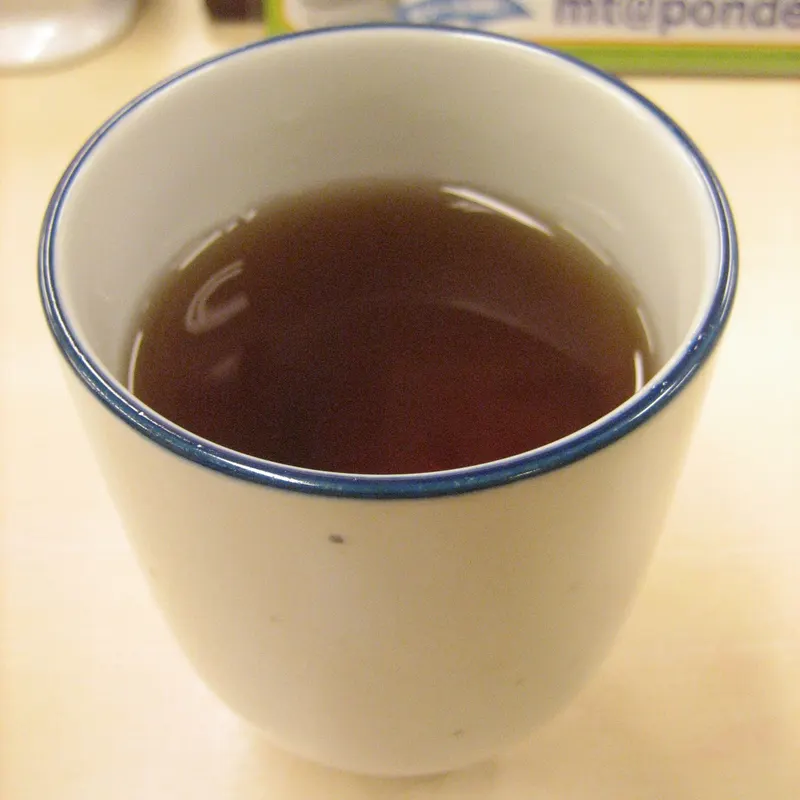
Twelve centuries as the imperial capital left Kyoto with the densest concentration of living craft in Japan. Kiyomizu-yaki ceramics are the proof you can hold.
Kiyomizu-yaki takes its name from the slopes below the Kiyomizu-dera temple, where kilns have fired tea ware for the city's tea masters since the Edo period. The style is not one look: it is a standard of finish that Kyoto's workshops hold each other to.
A Kiyomizu yunomi or sake set is thrown thin, glazed in seasonal motifs, and often signed. Seventh generation workshops sell pieces that cost less than a mass market import, because you are buying from the kiln, not from a chain of middlemen.
On 1VIM, Kyoto's makers pin their own workshops on the map. The landed price of a tea cup from Kyoto to your country is on the listing before you pay, duties included.
More stories
- Barro negro, the black clay of OaxacaThe black pottery of San Bartolo Coyotepec gets its shine from burnishing with a quartz stone, not from glaze. Here is how it is made and how to bring a piece home.
- Pashmina, what the word actually meansMost of what is sold as pashmina is not. Real pashmina is the winter undercoat of the Changthangi goat, hand spun and hand woven in Kashmir. Here is how to tell.
- Sakai knives, six hundred years of edgesNinety percent of Japan's professional chef knives come from one city. Sakai's forges have been drawing out steel since the samurai stopped needing swords.