[IN]Kashmir, India
Pashmina, what the word actually means
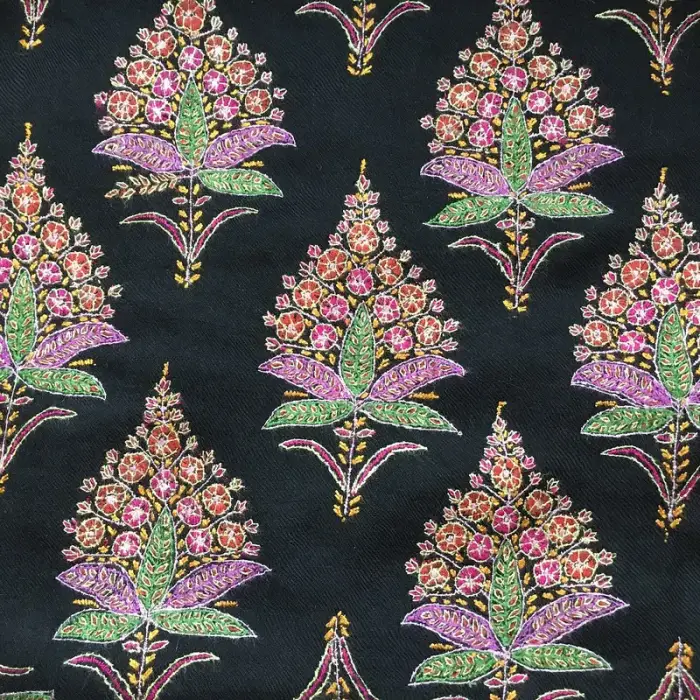
Most of what is sold as pashmina is not. Real pashmina is the winter undercoat of the Changthangi goat, hand spun and hand woven in Kashmir. Here is how to tell.
Pashmina is not a weave and not a brand: it is a fibre. The Changthangi goat of the high Ladakh plateau grows a winter undercoat finer than 16 microns, and that fleece, combed out each spring, is what the word means. Everything else is marketing.
Real pashmina is too fine for power looms; it snaps under machine tension. So it is hand spun on a wheel called a yinder and hand woven, a shawl taking weeks. The weavers of Srinagar have done this for five hundred years, and a genuine piece is warm out of all proportion to its weight.
A machine woven "pashmina" from a mall costs less because it is cashmere blend at best. Buying from a Srinagar weaver on 1VIM means the person who wove it packs it, and the price with shipping and duties is the whole price.
More stories
- Sakai knives, six hundred years of edgesNinety percent of Japan's professional chef knives come from one city. Sakai's forges have been drawing out steel since the samurai stopped needing swords.
- Murano glass, the island that kept a secretVenice exiled its glassmakers to one island in 1291 and forbade them to leave. Seven centuries later the furnaces are still lit, and most glass sold as Murano never saw them.
- Marrakech leather, tanned the eleventh century wayThe tanneries at Bab Debbagh have cured hides in stone vats for nine hundred years. Babouche slippers and poufs made from that leather age the way modern leather cannot.