[IT]Murano, Italy
Murano glass, the island that kept a secret
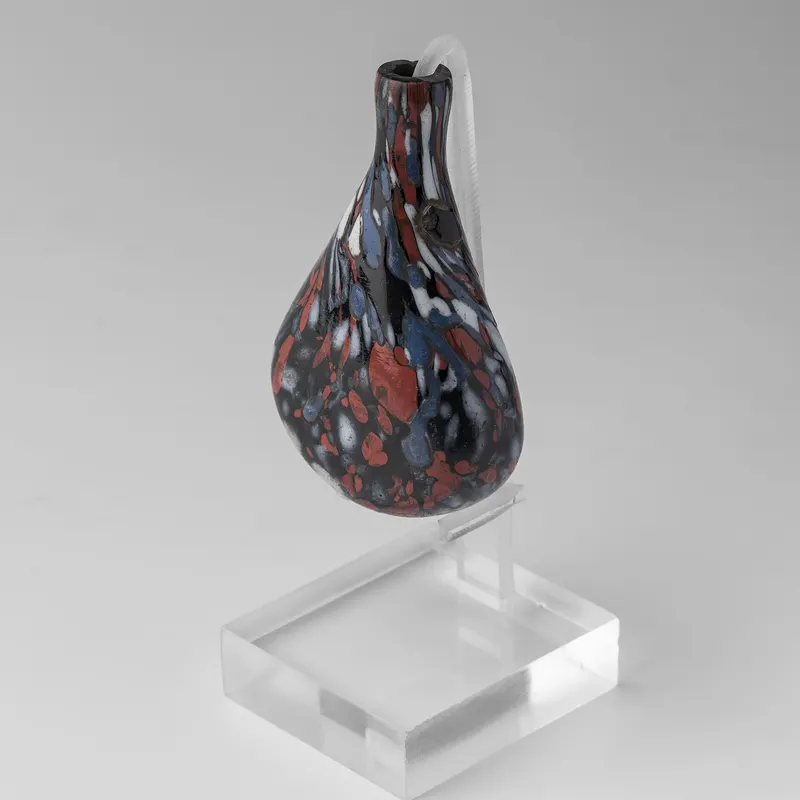
Venice exiled its glassmakers to one island in 1291 and forbade them to leave. Seven centuries later the furnaces are still lit, and most glass sold as Murano never saw them.
In 1291 Venice ordered every glass furnace moved to the island of Murano, officially to keep fires away from the wooden city, practically to keep the recipes in one place. Master glassmakers were forbidden to emigrate; the ones who tried were hunted. What that concentration produced still has no equal: cristallo clear as rock crystal, millefiori built from bundled canes of colour, chandeliers that furnish palaces.
The hard truth of the souvenir stalls is that most glass sold in Venice as Murano was made somewhere else entirely. The real furnaces mark their work, and the consortium's Vetro Artistico Murano seal exists precisely because the copies outnumber the originals many times over.
Buying direct from a fornace on 1VIM removes the question. The listing is pinned to the island itself, the seller is the workshop, and the piece ships from the lagoon with the landed price shown before you pay. If the pin is not on Murano, it is not Murano.
More stories
- Marrakech leather, tanned the eleventh century wayThe tanneries at Bab Debbagh have cured hides in stone vats for nine hundred years. Babouche slippers and poufs made from that leather age the way modern leather cannot.
- Kente cloth, the fabric that carries namesEvery kente pattern has a name and a meaning, woven four inches at a time in Bonwire. The cloth on a graduation stole has a four hundred year old grammar behind it.
- Lopapeysa, the sweater Iceland knits in the roundIcelandic sheep have not been crossbred in a thousand years, and their wool makes a sweater that works in weather that stops everything else. Here is why a real lopapeysa is knit, not sewn.