[JP]Sakai, Japan
Sakai knives, six hundred years of edges
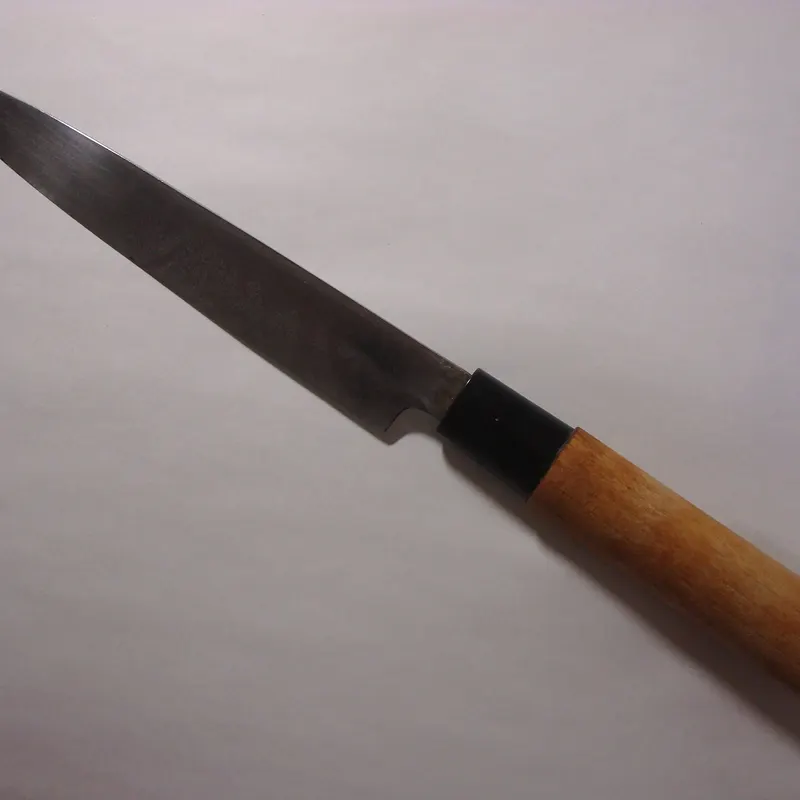
Ninety percent of Japan's professional chef knives come from one city. Sakai's forges have been drawing out steel since the samurai stopped needing swords.
When Japan outlawed sword wearing in 1876, the swordsmiths of Sakai, a port city south of Osaka, turned their steel to kitchens. They had been forging blades since the 1400s; the tobacco knives they made for the Edo shogunate were already famous for holding an edge.
A Sakai knife is usually single bevel, ground on one side only, which is why sushi chefs prize them: the flat back releases each slice cleanly. The work is still split the old way between three craftsmen: one forges, one sharpens, one fits the handle, and the blade carries the maker's name.
Chefs fly to Japan to buy them; the forges on 1VIM ship the same blades with the landed price shown before you pay. A knife is a lifetime purchase, and it should come from the city that has been making them for six hundred years.
More stories
- Murano glass, the island that kept a secretVenice exiled its glassmakers to one island in 1291 and forbade them to leave. Seven centuries later the furnaces are still lit, and most glass sold as Murano never saw them.
- Marrakech leather, tanned the eleventh century wayThe tanneries at Bab Debbagh have cured hides in stone vats for nine hundred years. Babouche slippers and poufs made from that leather age the way modern leather cannot.
- Kente cloth, the fabric that carries namesEvery kente pattern has a name and a meaning, woven four inches at a time in Bonwire. The cloth on a graduation stole has a four hundred year old grammar behind it.